SCOTUS

513 – Trump’s Tariffs Go Down at SCOTUS
After only approximately three and a half months, the Supreme Court issued their opinion in the Trump Tariff case. The speed, and the fact that opinion was released so early in the court’s term, should indicate both how urgent the case was, and how impactful.
Read More
511 – Private Property vs Gun Control
How far can a state go to regulate the right to bear arms? Can a state override a person’s property rights? Can Hawaii proactively prohibit lawful gun owners from carrying on private property without owners prior consent? That is the question in the Supreme Court case Wolford v. Lopez.
Read More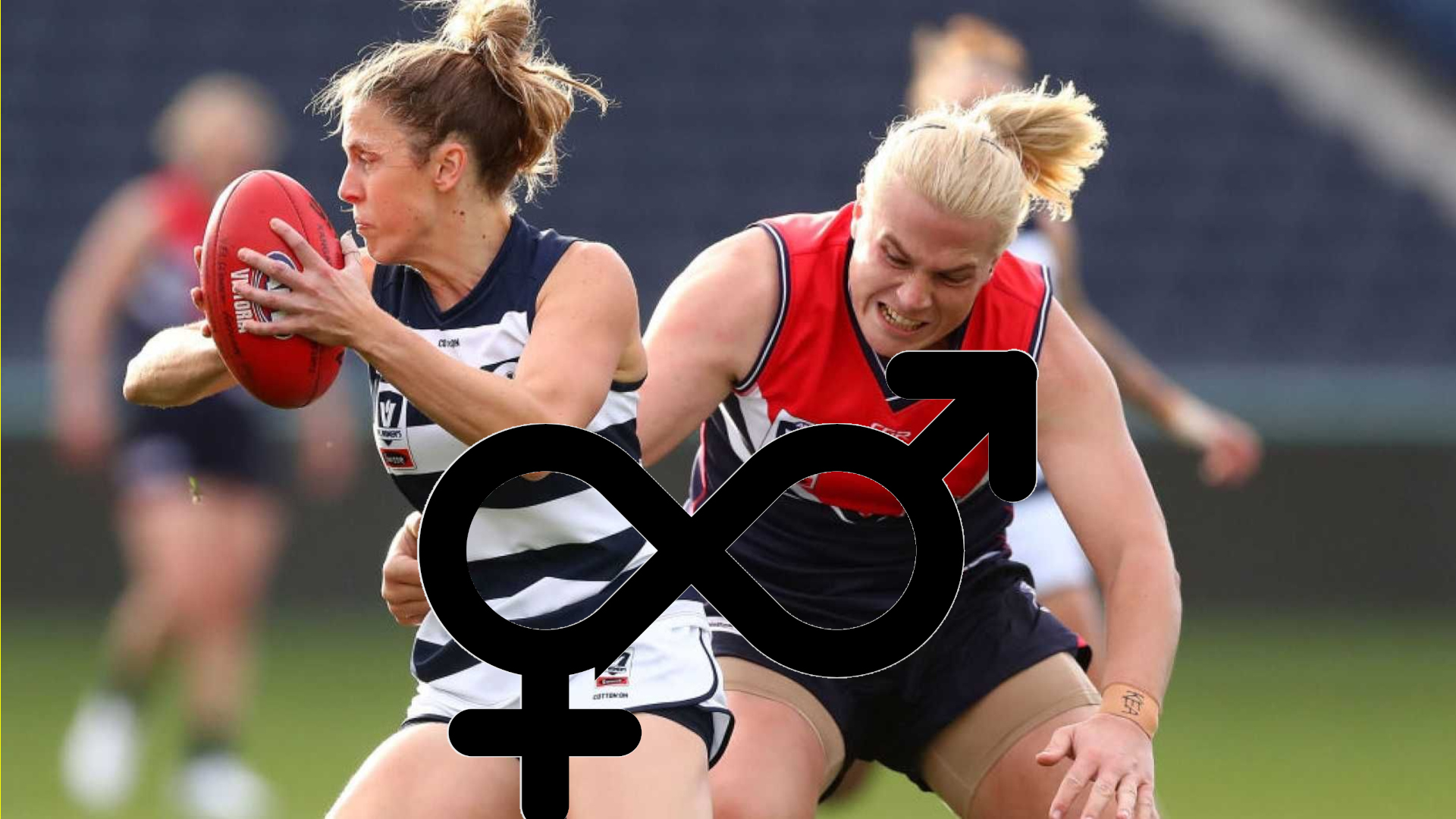
508 – Men in Women’s Sports – Oral Arguments
Two cases came before the Supreme Court for oral arguments asking the same basic question. Can states prohibit men from participating in women’s sports?
Read More
506 – Copyright Shakedown
Copyrights and patents are important protections for inventors, authors, and all sorts of creators. In the case Cox Communications v. Sony Music Entertainment, I’m reminded of the response Willie Sutton gave when asked why he robbed banks. “Because that’s where the money is.” Because this case seems more like a copyright shakedown than the protection of copyrights.
Read More
505 – Unreasonable Searches
When a government agency searches without a reason it’s called “fishing”. When the Attorney General of New Jersey issued a subpoena demanding the names, addresses, and phone numbers of the donors to a pregnancy center, it wasn’t just fishing, it was searching for a white whale.
Read More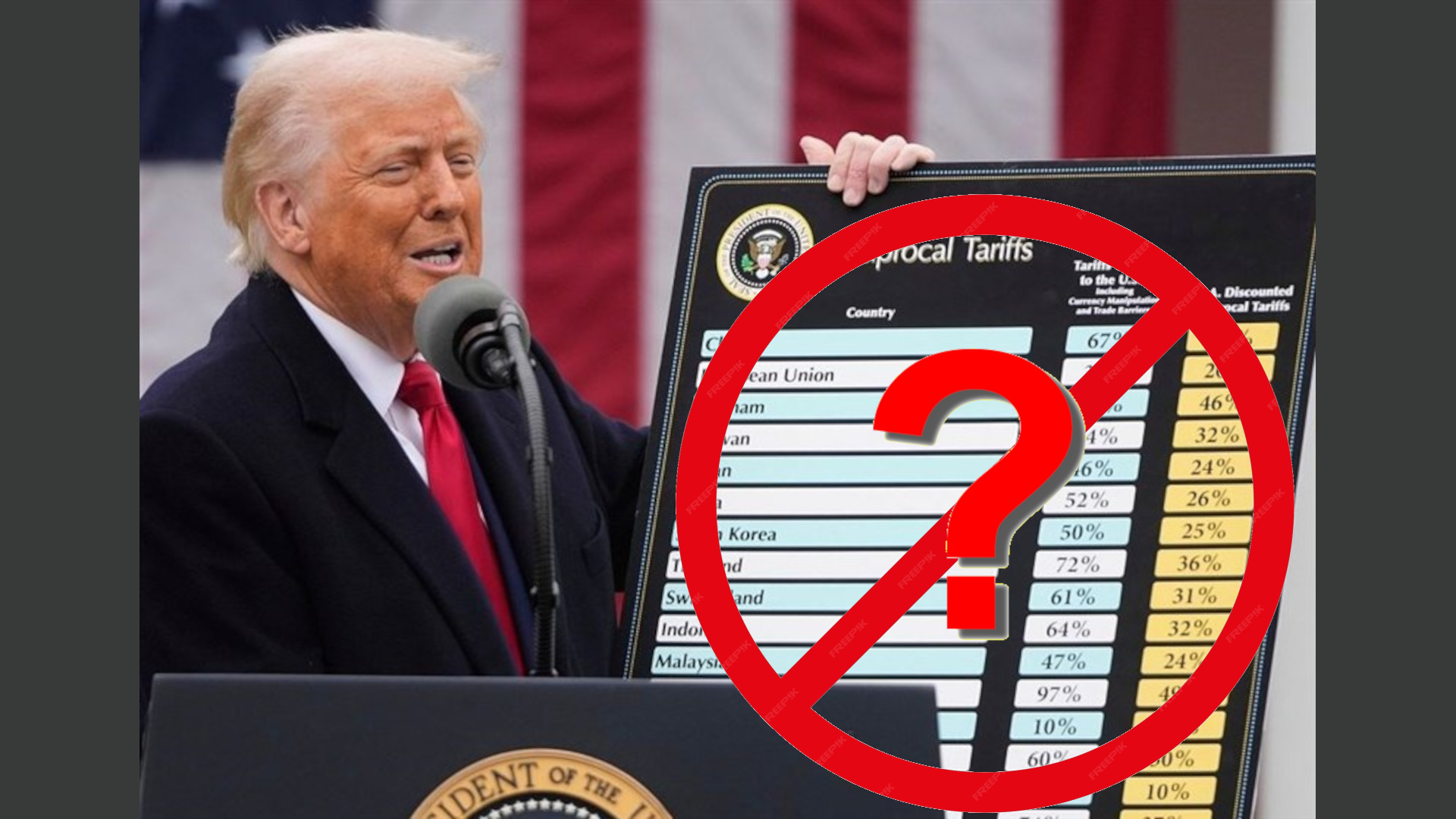
502 – Presidential Tariffs
Love them or hate them, President Trump’s tariffs have not only been a talking point, but have had an impact on most Americans. The question before SCOTUS in this case is whether or not the President has the power to create these tariffs in the first place.
Read More
499 – Warrantless Searches
We all know that, in general, the police need a warrant to enter your home. While the Fourth Amendment lays out the requirements for a warrant, there are exceptions to the warrant requirements. That’s because the Fourth Amendment protects you from unreasonable searches, not warrantless searches. The case Case v. Montana is about what makes police entry into a private home reasonable.
Read More
498 – Colorado Conversion Therapy Oral Arguments
Who decides what treatment is best for your child? Most people expect the government to protect children from dangerous treatments, even if their parents want it. But shouldn’t the government need to prove harm beyond a reasonable doubt before criminalizing treatment? Sadly, that is not the question before the court in the case Chiles v. Salazar. Rather, it is a twisted attempt to use the First Amendment to strike down this Colorado law.
Read More