Month: June 2026
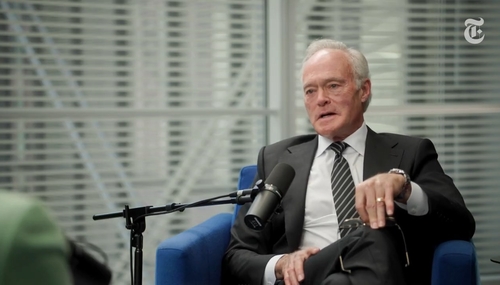
Supreme Court Vacates Decision Outlawing Gas Stoves, Water Heaters
On Monday, the Supreme Court vacated a lower court ruling that upheld Biden Energy Department regulations that would outlaw gas stoves and water heaters in Americans’ homes and require homeowners with these to either renovate their homes or switch to electric appliances.
In American Gas Association, et al. V. Dept. Of Energy, et al, the District of Columbia’s district court upheld the Biden Administration’s regulations banning the use of non-condensing appliances, effectively eliminating gas furnaces and water heaters from the marketplace.
In response, the American Gas Association, American Public Gas Association and National Propane Gas Association asked the U.S. Supreme Court to review the decision. In their petition to the high court for a writ of certiorari, they stressed the consequences of allowing the lower court’s decision to stand:
“The Energy Policy and Conservation Act (EPCA) prohibits the Department of Energy from adopting efficiency standards that ban consumer access to appliances with distinct performance characteristics.
“In this case, the Department adopted standards abolishing gas-fired furnaces and water heaters that work with existing venting systems in millions of homes and buildings across the country. These standards will force consumers to either renovate their homes or switch to electric appliances.”
"The Department may not adopt standards that effectively eliminate from the market products that have distinct ‘performance characteristics,’" Solicitor General John Sauer wrote in a brief to the high court.
On Monday, in apparent concurrence with Sauer’s analysis, the Supreme Court granted the petition, vacated the ruling and sent the case back to the D.C. court, ordering it to reconsider its decision supporting the Biden Administration regulations:
“The petition for a writ of certiorari is granted. The judgment is vacated, and the case is remanded to the United States Court of Appeals for the District of Columbia Circuit for further consideration in light of the position asserted by the Solicitor General in his brief for the United States filed on April 28, 2026.”

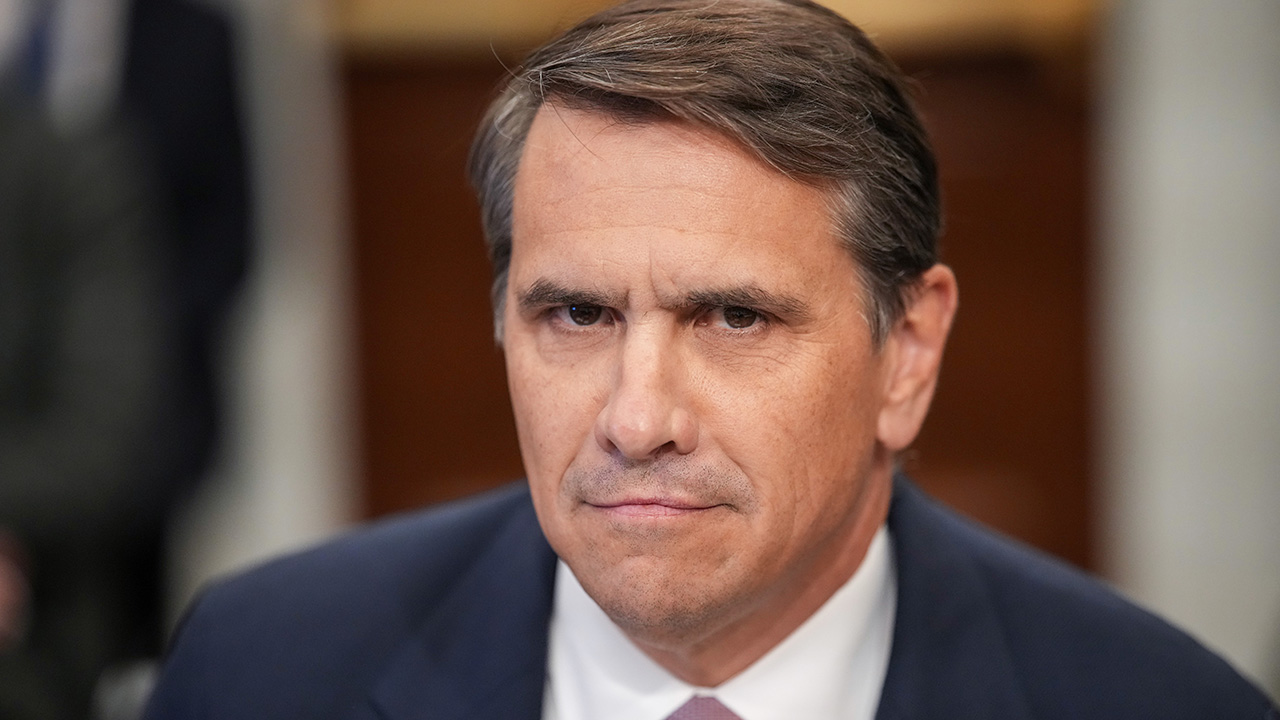
DOJ Moves to Denaturalize Immigrants Who Lied on Citizenship Applications About Egregious Crimes
The Department of Justice moved to denaturalize 17 individuals accused of concealing their histories of serious crimes, such as sexual abuse of a minor, wire and bank fraud, and sale or distribution of illegal drugs. The Trump administration will revoke the citizenship of individuals from Somalia, China, Colombia, India, Haiti, and other countries under the…
Read More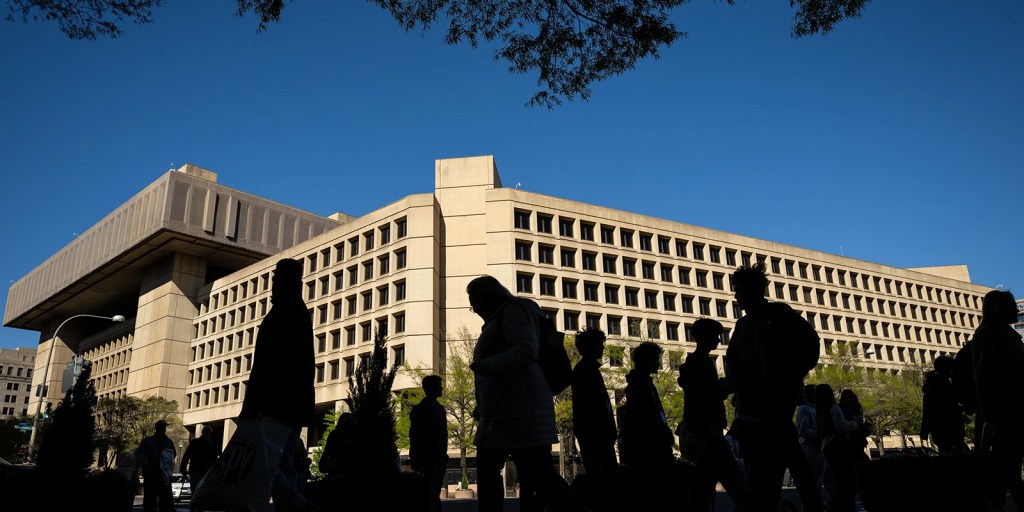
FBI fires analysts behind controversial memo on ‘radical Catholic ideology’…
https://revolver.news/2026/06/fbi-fires-analysts-behind-controversial-memo-on-radical-catholic-ideology/
Read More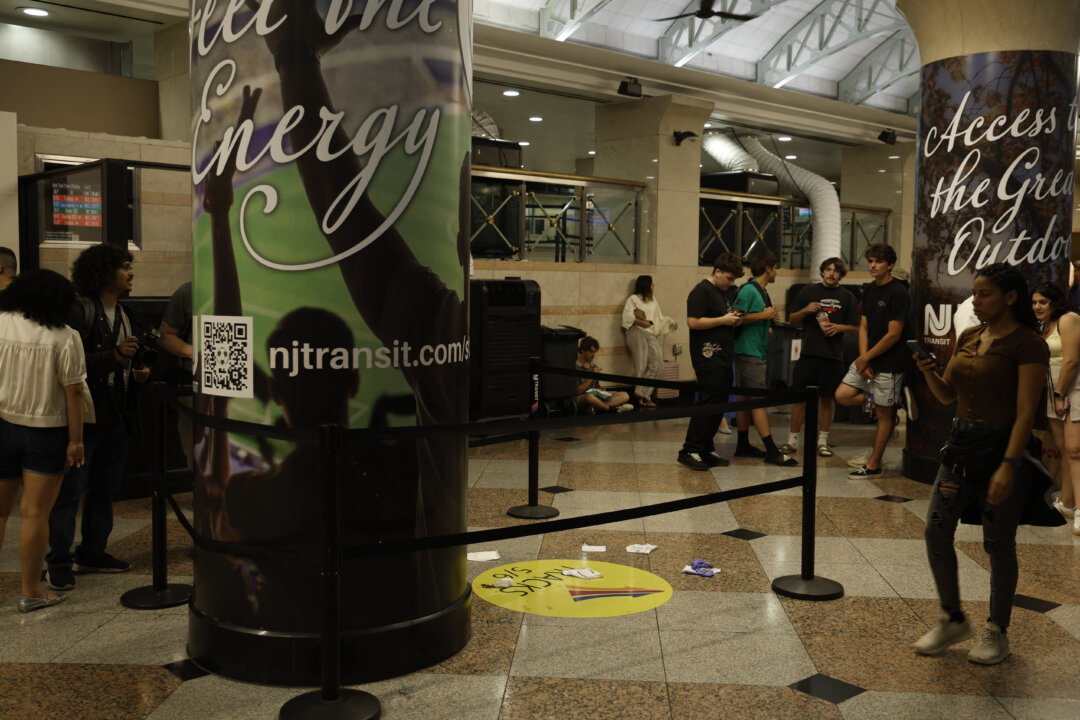
6 Injured in Stabbings at New York’s Penn Station, Suspect in Custody: Authorities
NEW YORK—Six people were injured in a stabbing inside New York’s Penn Station on Sunday evening, authorities said, less than a day before thousands of fans are expected to descend on neighboring Madison Square Garden for Game 3 of the NBA Finals. A suspect was taken into custody after the attack, which unfolded around 7 […]
Read More
526 – Use of Lethal Force
When is the use of lethal force legal in the United State? In every state of the union, lethal force can be used to protect an innocent part from an imminent threat of death or serious bodily injury. But is that the only time? A recently signed bill in Tennessee defines other situations where deadly force can lawfully be used within the state.
Read More

Pride goes before a fall
The Constitution Study with Host Paul Engel – June’s competing declarations of pride and nuclear family values spark a sharp critique of public celebrations, cultural priorities, women’s sports, and political ego. The commentary contrasts Tennessee’s Nuclear Family Month with national trends, questions what society chooses to honor, and warns that unchecked pride carries consequences for everyone eventually ahead…
Read More
Driving People Out of California
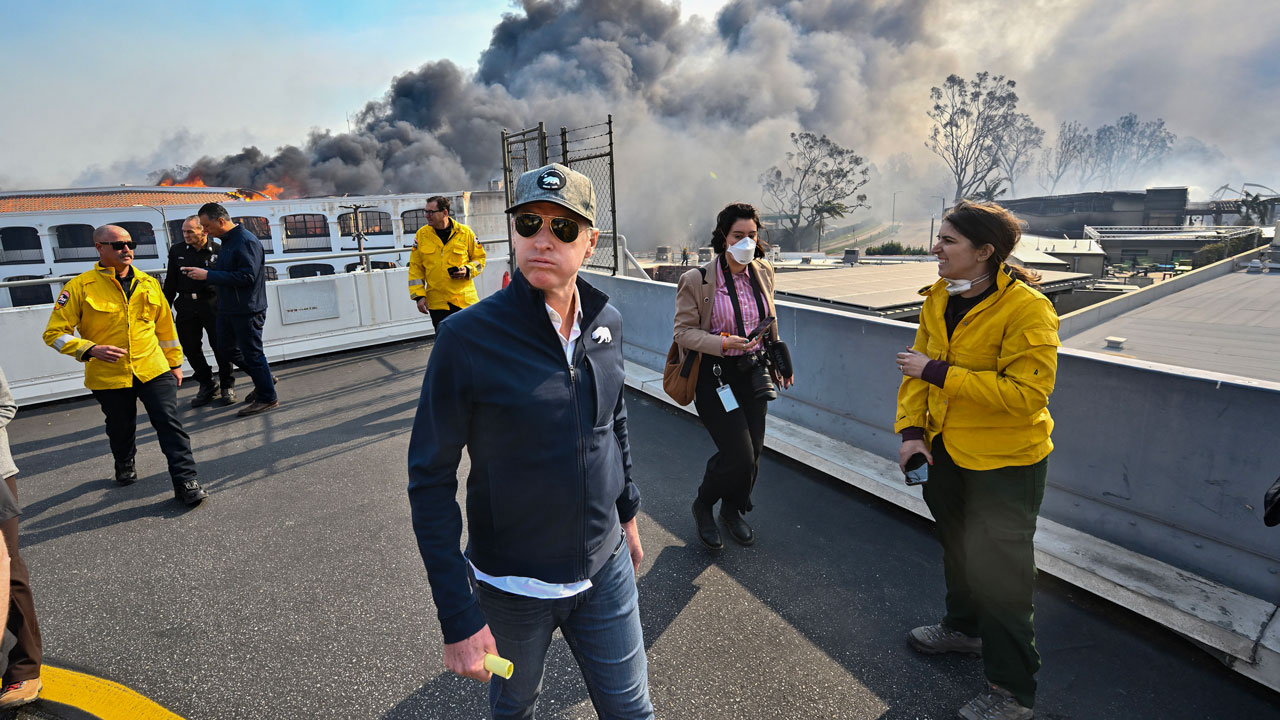
When Ronald Reagan was sworn in as governor of California in 1967, the state had a population of 19,176,000, according to the Census Bureau. Eight years later, when he left that office in 1975, the state’s population had grown to 21,537,849—an increase of 2,361,849. That was not an unusual pattern for governors of the Golden…
Read More
Feds Launch Probe Into California’s Elections…
“The fact that California elections often can’t be resolved for weeks is kind of insane and not common in other electoral systems around the world,” Political data analyst Nate Silver wrote on X on Tuesday.
In a post on Substack, Nate Silver noted that California averaged 38 percent of its votes counted after Election Day across the last five general elections.