4th Amendment
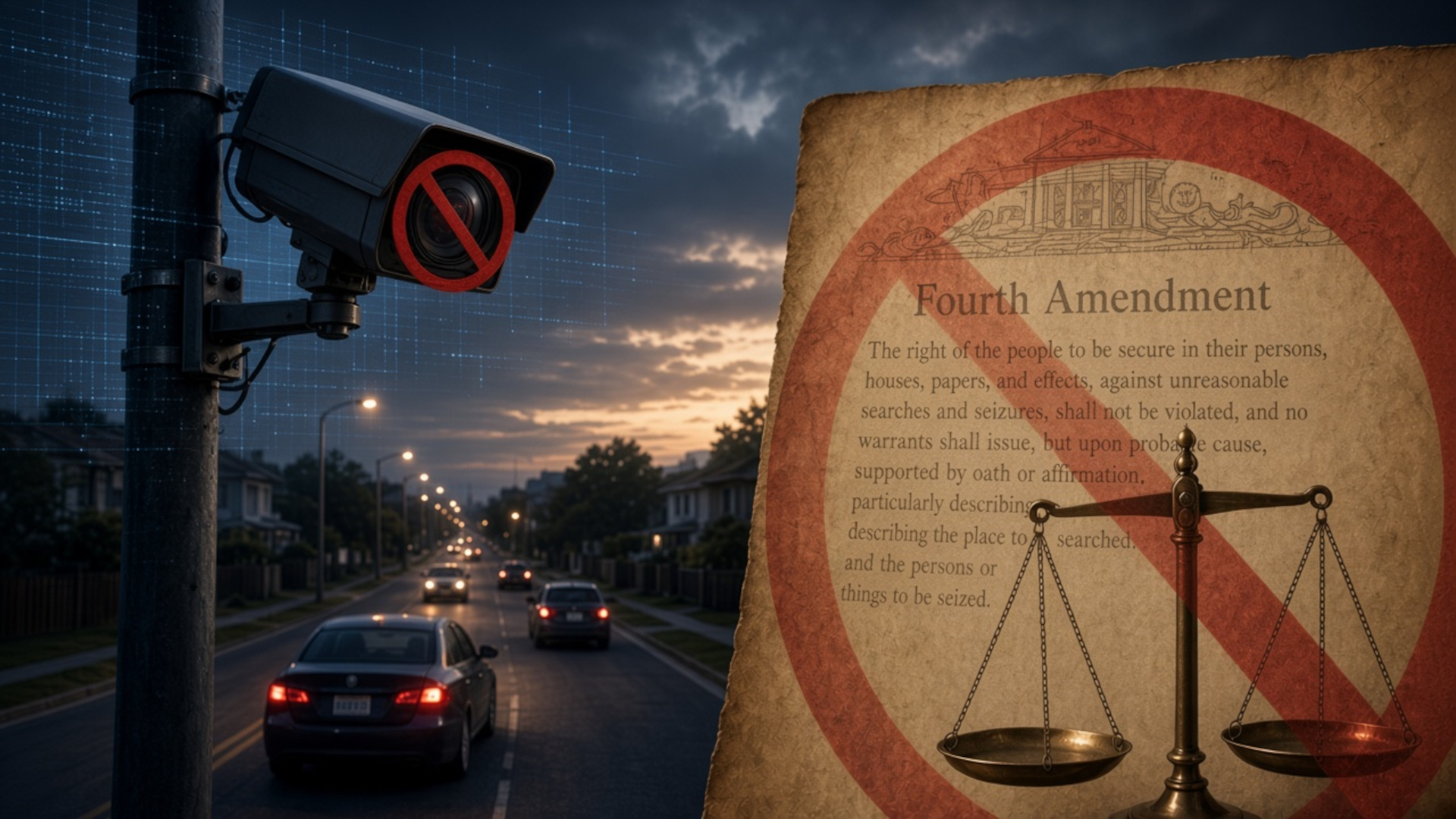
546 – It’s Not Flock’s Fault
A lot of people have it out for Automatic License Plate Readers, especially Flock Safety. In the case USA v. Meilisa Susan Kyle, Flock Safety did not violate Ms. Kyle’s rights, the Sheriff’s Deputy did.
Read More
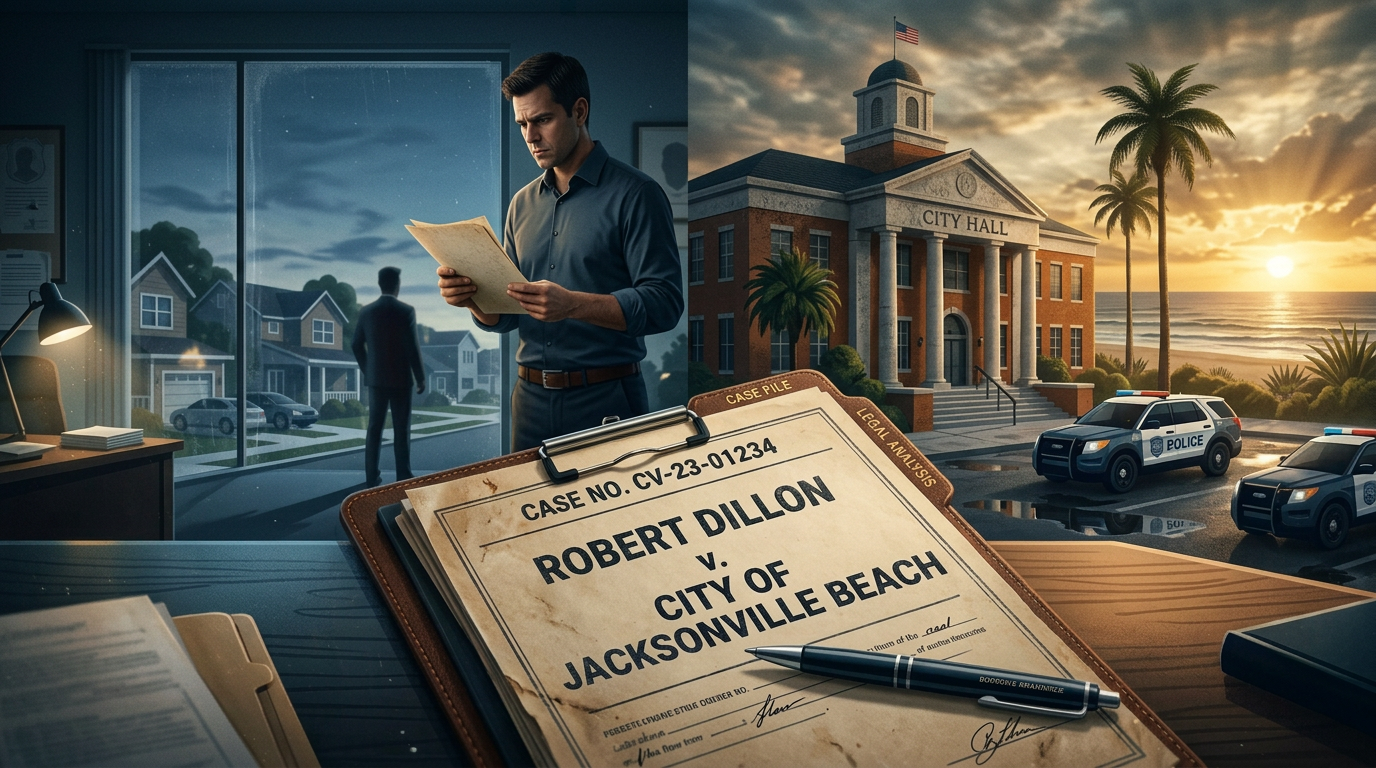
541 – AI Warrants
Most people are familiar with the Warrant Clause. But have you considered what constituted probable cause? More importantly, what happens when the system uses a flawed, even fraudulent warrant, and ruins someone’s life?
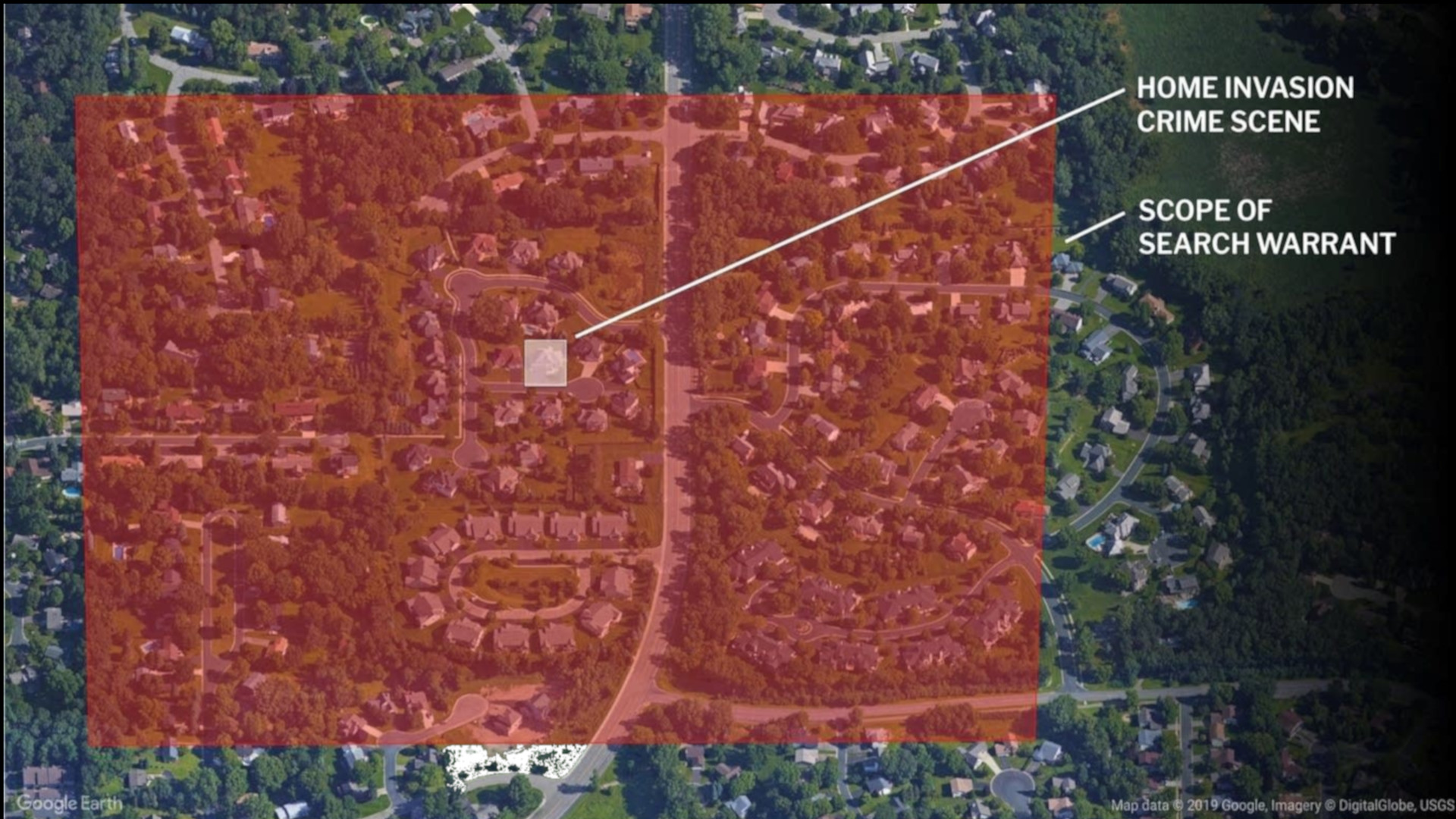
534 – Geofence Warrants
We all walk around with tracking devices on, cellphones. While these devices report our location on an almost second by second basis, what are the rules law enforcement has to follow to search that data?
Read More
524 – First Choice v. New Jersey
Contrary to what the Supreme Court believed in both the Roe and Dobbs decision, the question of abortion has not been settled in the United States. The case of First Choice v. New Jersey shows just how far some states will go to oppose the pro-life movement.
Read More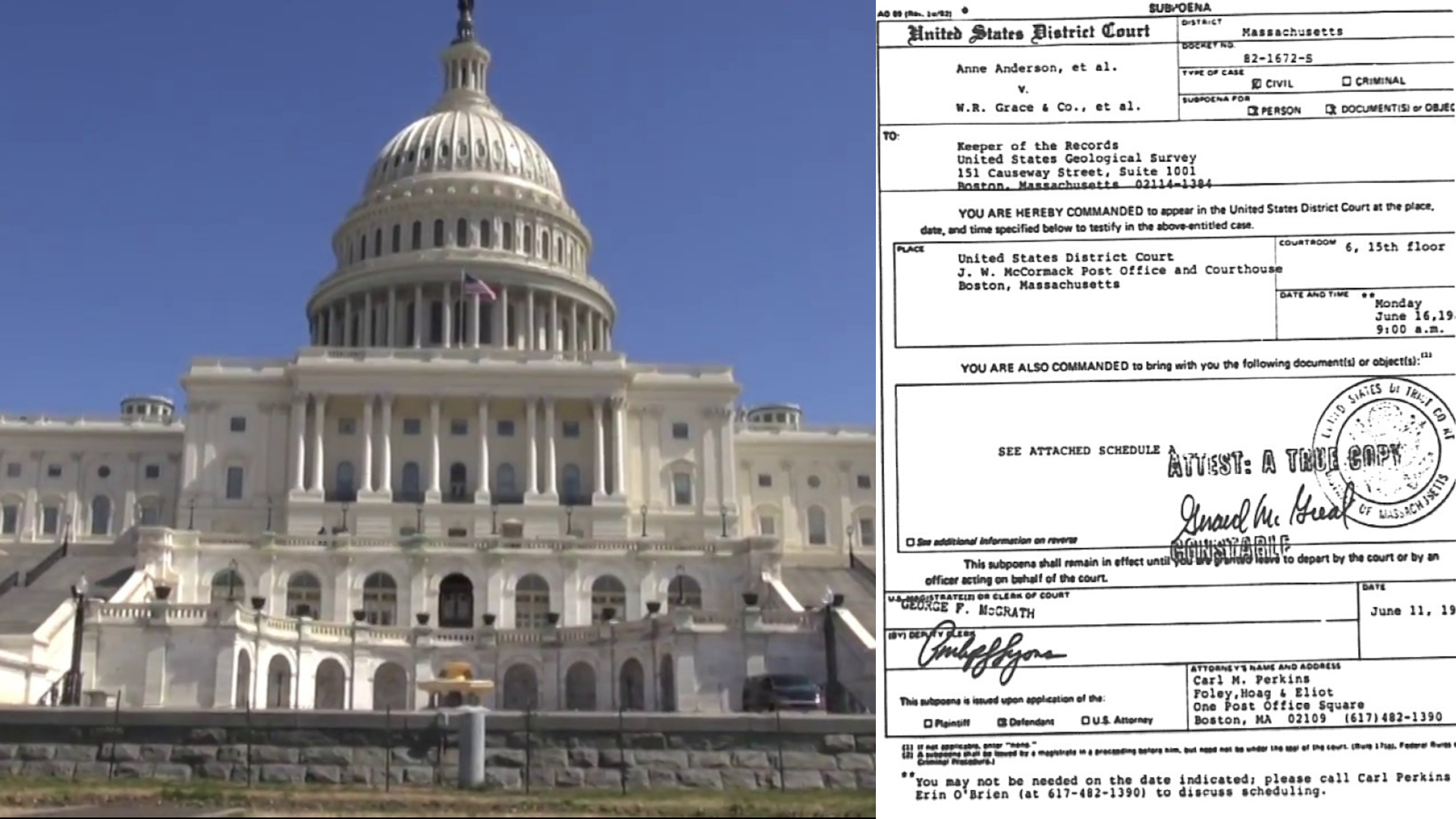
509 – Congressional Subpoenas
In a recent press release, the House Oversight Committee voted to advance two resolutions to hold “President Bill Clinton and former Secretary of State Hillary Clinton in contempt of Congress for refusing to comply with duly issued subpoenas.” The question is, were those subpoenas lawful?

505 – Unreasonable Searches
When a government agency searches without a reason it’s called “fishing”. When the Attorney General of New Jersey issued a subpoena demanding the names, addresses, and phone numbers of the donors to a pregnancy center, it wasn’t just fishing, it was searching for a white whale.
Read More
499 – Warrantless Searches
We all know that, in general, the police need a warrant to enter your home. While the Fourth Amendment lays out the requirements for a warrant, there are exceptions to the warrant requirements. That’s because the Fourth Amendment protects you from unreasonable searches, not warrantless searches. The case Case v. Montana is about what makes police entry into a private home reasonable.
Read More
482 – Due Process Amendments
There has been a lot of talk about due process lately, but little of it seems to be informed by proof or evidence. Five of the ten amendments in the Bill of Rights are called the “Due Process Amendments”. With a little bit of research, we can not only be sure of what due process is, but how the Constitution protects our rights to it.