From the News

429 – Bumping Into the Law
When does a rifle become a machine gun? That is the question asked in the Supreme Court case Garland v. Cargill. When the Bureau of Alcohol, Tobacco, Firearms, and Explosives suddenly decided to redefine bump stocks as machine guns, many Americans simply complied. However, when Michael Cargill surrendered his bump stocks to the ATF, he did so under protest, filing suit to challenge the rule under the Administrative Procedure Act. Those of us who enjoy and exercise our right to keep and bear arms owe Mr. Cargill a debt of gratitude, but the fight is not over. Thanks to Mr. Cargill’s determination and persistence, the ATF’s bump stock rule has been found to have not been created correctly, meaning we get our bump stocks back. However, it also leaves open the chance for Congress to do what the ATF could not, violate the Second Amendment one more time.
Read More

427 – Who’s Protecting Our Children?
Probably the most powerful instinct as a parent is to protect our children. Parents work hard, sacrifice, and sometimes risk their own lives to protect their children. Most parents believe the government is there to help them protect their children, but is that true?
Read More
426 – Fraternal Twin Court Cases Point to the Death of Justice Worldwide
Late May in the United States is usually a time of cook-outs and remembrance as we memorialize those who gave their lives in service to this country. 2024 however, should be remember for another death, the death of courts of justice.
Read More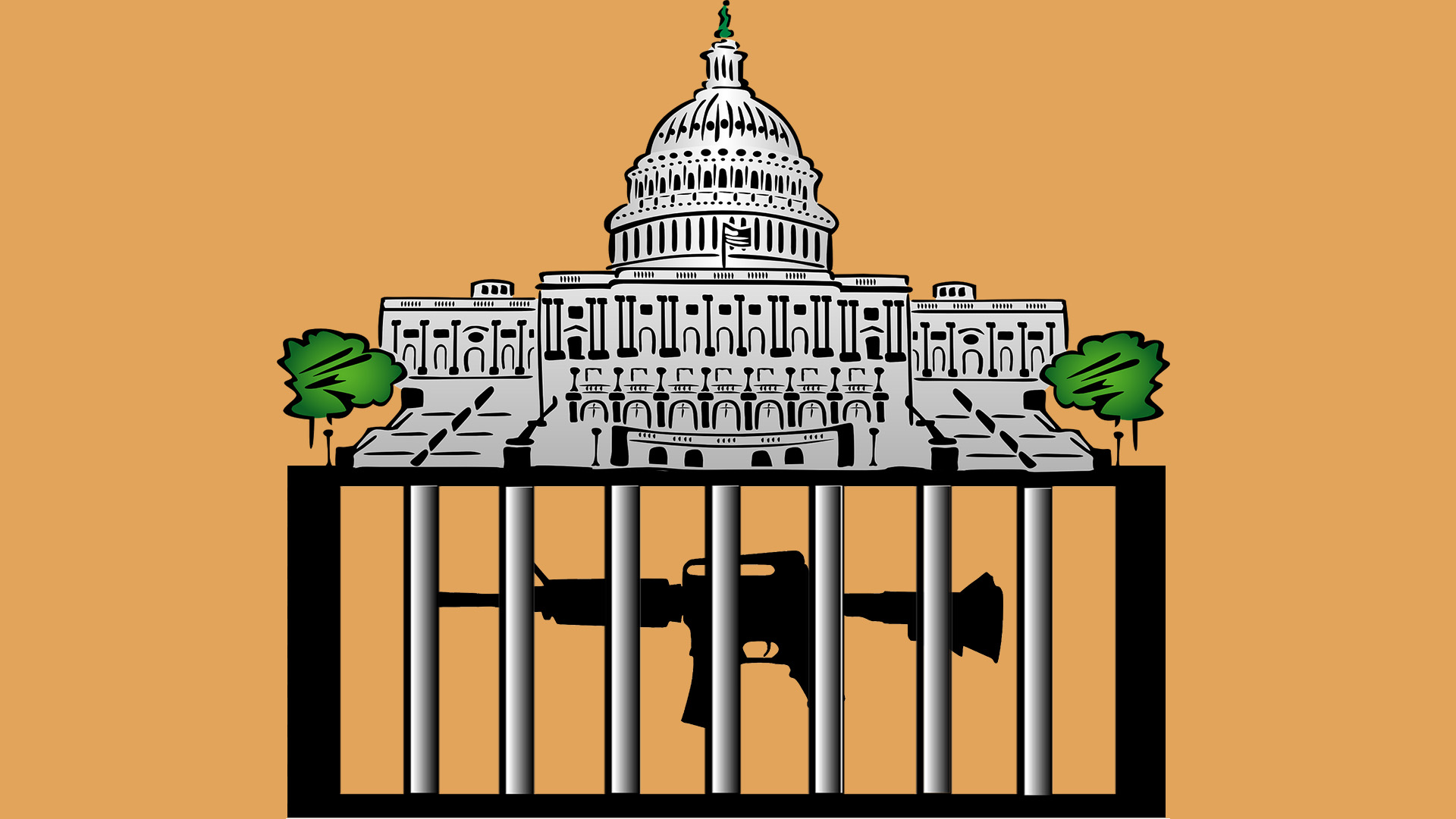
425 – Rights After Conviction
According to federal law, if someone is convicted of a crime and punished with more than one year in jail, they loose their rights protected under the Second Amendment. A recent decision by the Ninth Circuit Court not only brought that federal law into question, but decided it was wrong. The court didn’t find that this federal law violated the Constitution, rather they found it violated Supreme Court’s Bruen decision. But is that all this federal law violates?
Read More
424 – When Did the Federal Reserve become the National Treasury?
Article I, Section 9, Clause 7 of the Constitution states “No Money shall be drawn from the Treasury, but in Consequence of Appropriations made by Law;”. That seems pretty straight forward. So how could Congress establish a government agency funded not by appropriations from the treasury, but by fees paid to another federal entity? This was the question brought to the Supreme Court in the case CFPB v. Community Financial Services Assn. of America. Sadly, it seems that the Supreme Court once again showed they have a hard time reading and understanding the English language.
Read More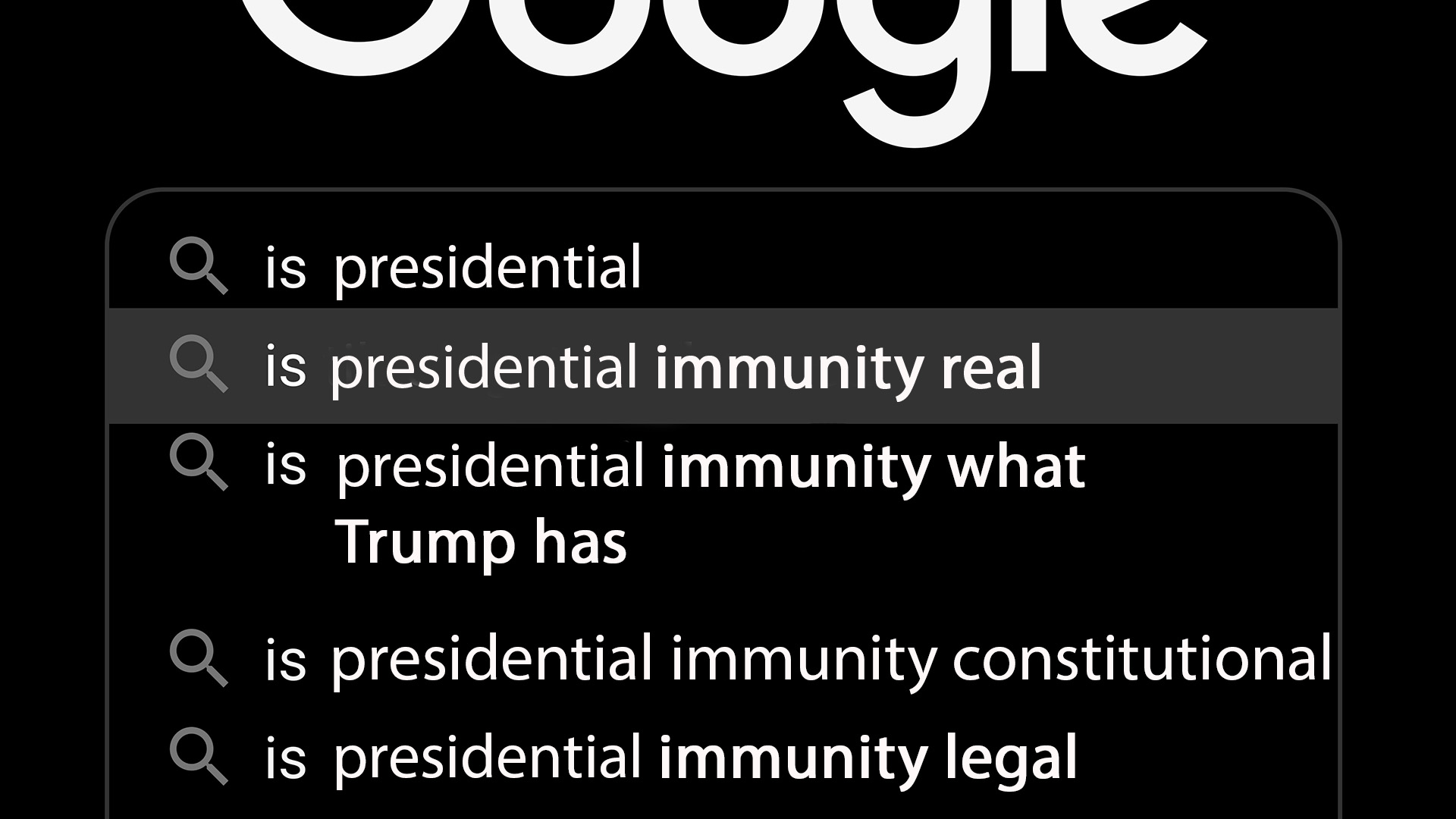
421 – Presidential Immunity – Oral Arguments
In one of the many cases against Donald Trump, his attorney’s are claiming that he cannot be criminally charged for an act he performed in his official capacity as President. Why? Because of something called Presidential Immunity. Is there such a thing as Presidential immunity? If so, where is it stated in the Constitution? Or is the idea Presidential immunity just the latest attempt to turn the President of the United States into a king?
Read More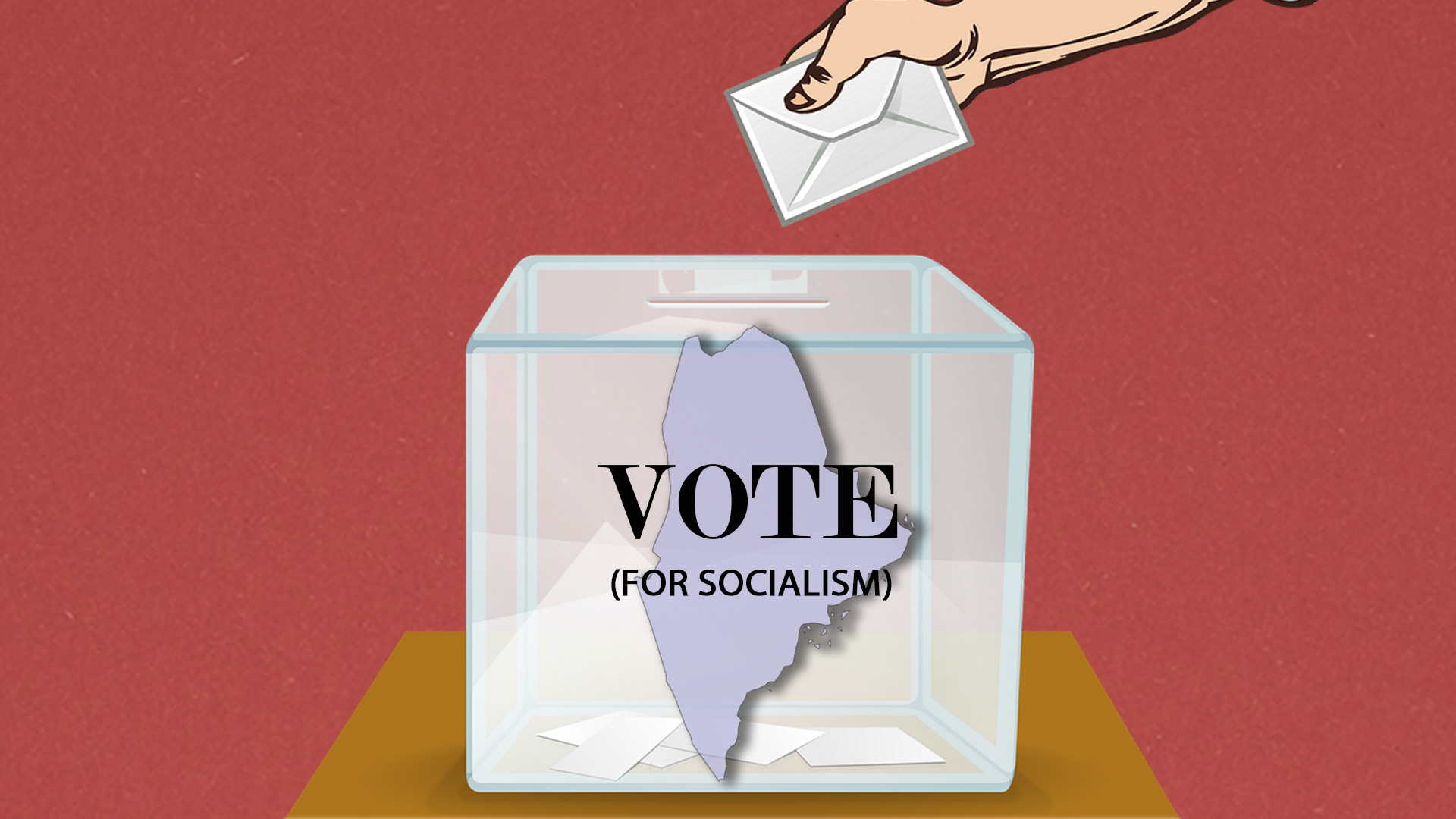
420 – Maine Becomes the Latest State to Throw Away The Republic
Maine’s governor allowed an unconstitutional piece of legislation to become “law” without her signature. LD 1578, An Act to Adopt an Interstate Compact to Elect the President of the United States by National Popular Vote is not only foolish and unconstitutional, but the latest attempt to change the United States from a union of republics into a monolithic democracy. It seems, just as with the Sixteenth and Seventeenth Amendments in 1913, states are not only willing to give up their sovereignty, but deprive their citizens of their rights in pursuit of socialism. After all, I believe it was Vladimir Lenin who said “Democracy is indispensable to socialism.”
Read More
419 – Is the Constitution a Threat to National Security?
A policy statement released by the Executive Office of the President, Office of Management and Budget effectively made a very bold statement, that the Constitution of the United States was a threat to national security. Does this not remind you of the saying from Benjamin Franklin?
“They who would give up an essential liberty for temporary security, deserve neither liberty or security.”
Benjamin Franklin
Are the American people willing to give up their right to be free from unreasonable searches for the promise of national security?
Read More